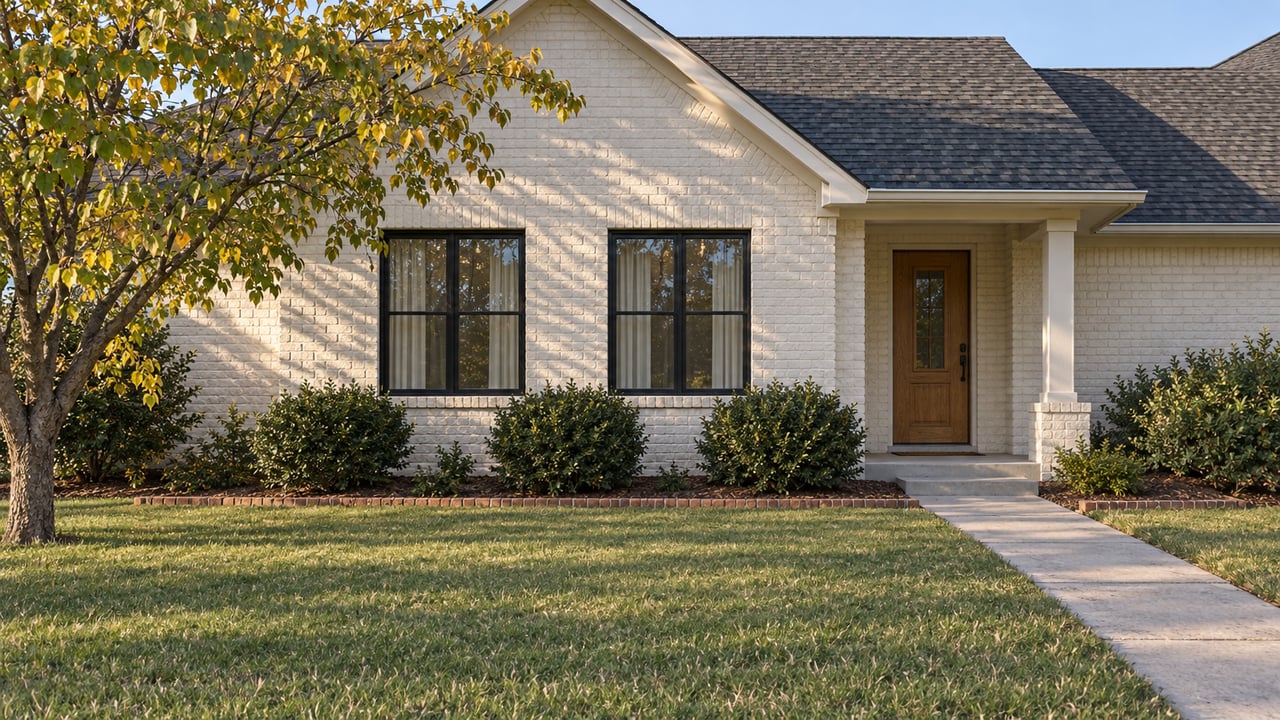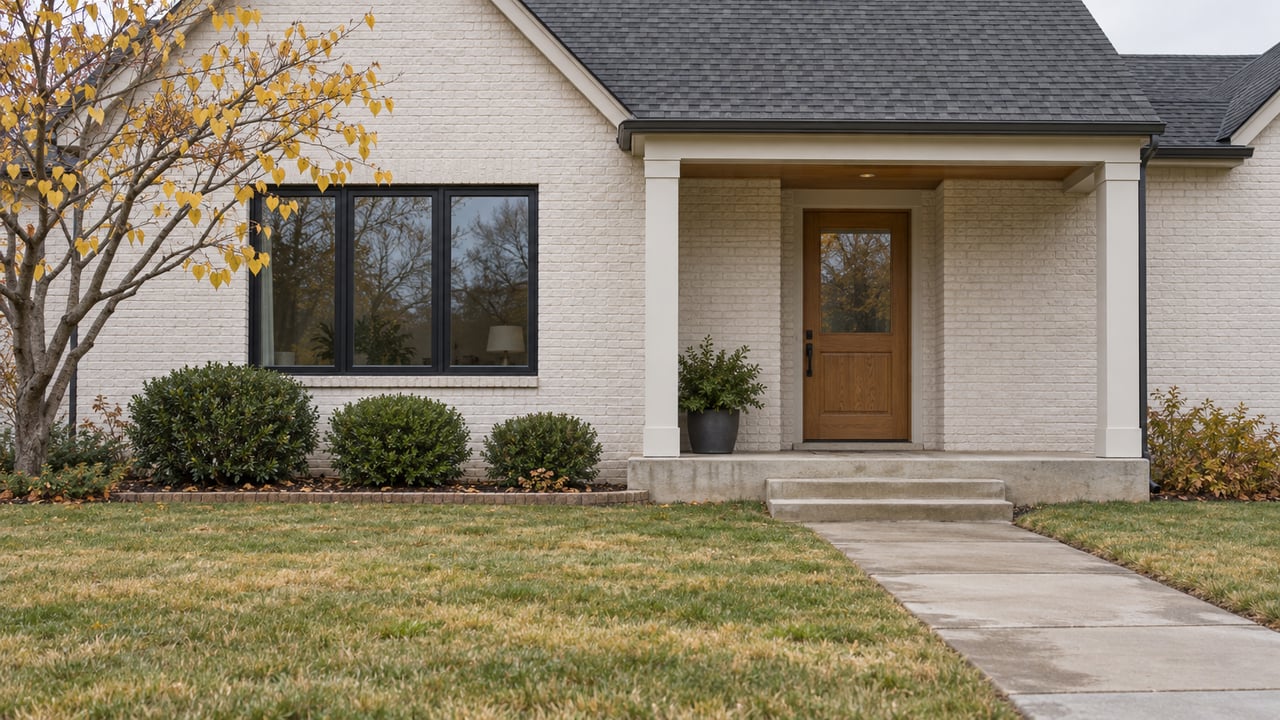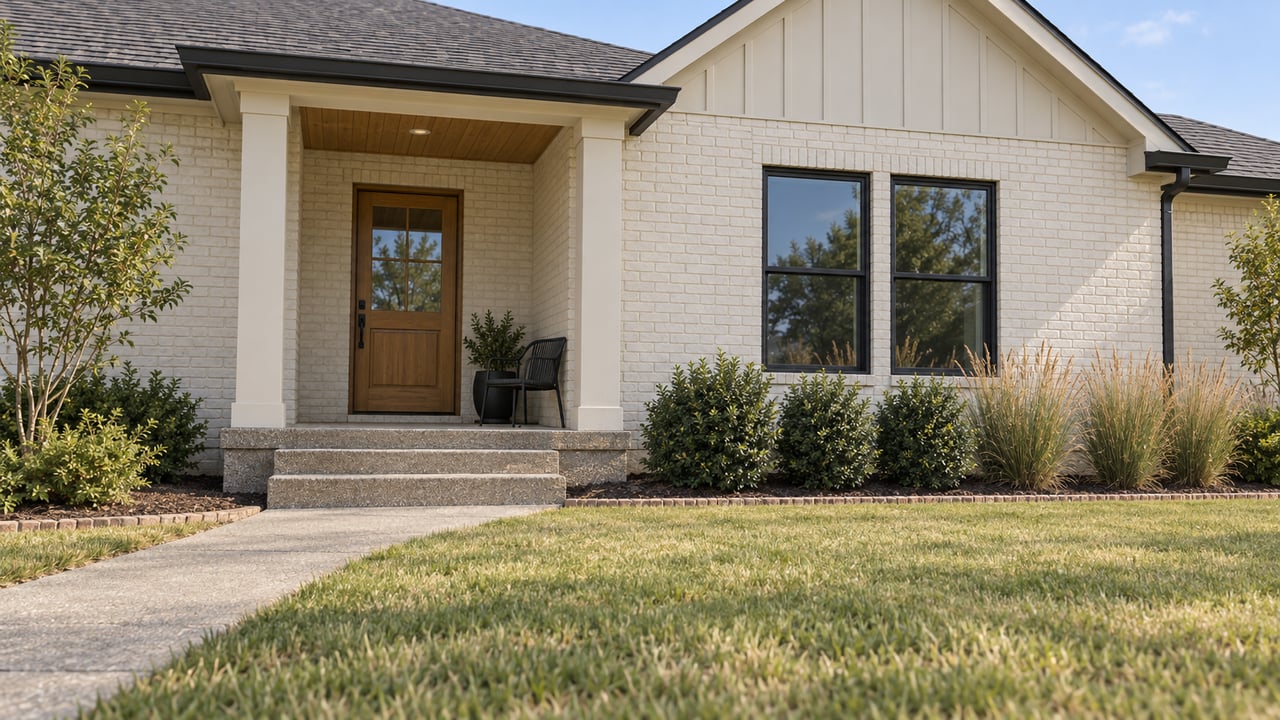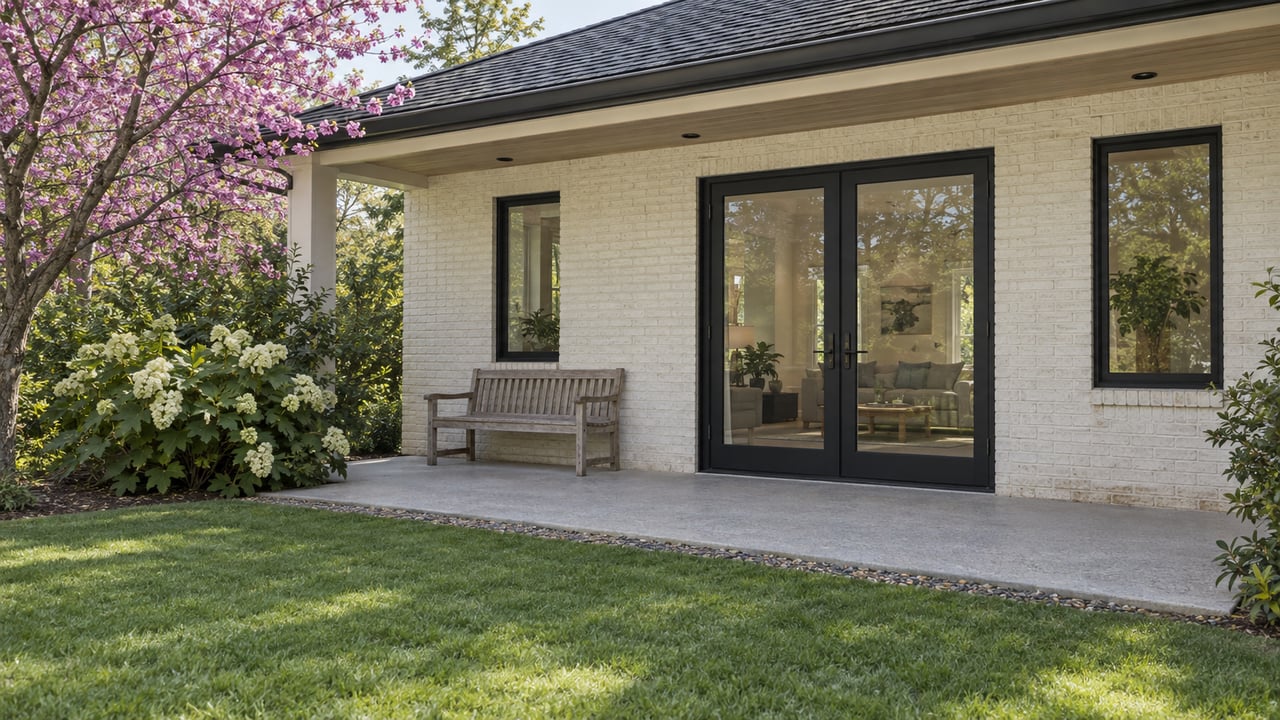
Pull up different sites and search "Norman OK median home price" this week. You will get different answers, and the differences can reflect what and when each source measures.
Redfin puts Norman's median sale price at $282,000 for the three months ending in May 2026, down 1.1 percent from the year before. Another major site shows the median up 20.4 percent year over year to $325,000. Another puts it at $344,450. The local tracker, measuring six months of closings through July 2026, reports $284,450 in closed sales against a $430,000 median asking price on what's currently listed. If you're trying to figure out what a house in Norman actually costs, that's not a helpful range. That's several different stories.
The instinct is to assume someone's data is stale or someone's methodology is broken. Some of that is true. But the bigger reason these numbers scatter is that Norman isn't one housing market. It's two, built a century apart, sharing a zip code and very little else.
Different Sites, Different Numbers, Same City
Here's what each source is actually measuring, and when.
Source | Figure | Time window |
|---|---|---|
Zillow (average home value, ZHVI) | $265,751, up 1.3% YoY | Through June 30, 2026 |
Redfin (median sale price) | $282,000, down 1.1% YoY | 3 months ending May 2026 |
A second national portal (median sale price) | $325,000, up 20.4% YoY | Current snapshot, reported this summer |
A third portal (median sold price) | $344,450 | Single month, November 2025 |
Local market tracker (median closed price) | $284,450 across 734 closings | Trailing 6 months through July 2026 |
Same tracker (median asking price, active inventory) | $430,000 | Snapshot as of July 2026 |
Notice that no two rows are measuring the same thing. One is an average, not a median. One is a single month nearly a year old. One blends six months of closings. One is what's currently sitting on the market rather than what actually sold. Before you even get to Norman's geography, the "median price" question already has several legitimate answers depending on what you're counting and when you're counting it.
That's the first lesson. The second one is more useful.
Norman Is Two Housing Markets Wearing One City Limit Line
A few minutes' walk from the University of Oklahoma campus, you're standing in the Chautauqua Historic District, made up of roughly 153 homes, most built between 1915 and 1935, the majority going up in the 1920s. Norman's Historic District Commission notes the architecture reflects the university deans and faculty who built it, and the district sits close enough to Campus Corner that residents can walk there. Next door, the Miller Historic District, roughly 148 structures established in 1997 and dominated by Craftsman bungalows, tells the same story. These are small, century-old homes on small lots, built for a college town before anyone called it that.
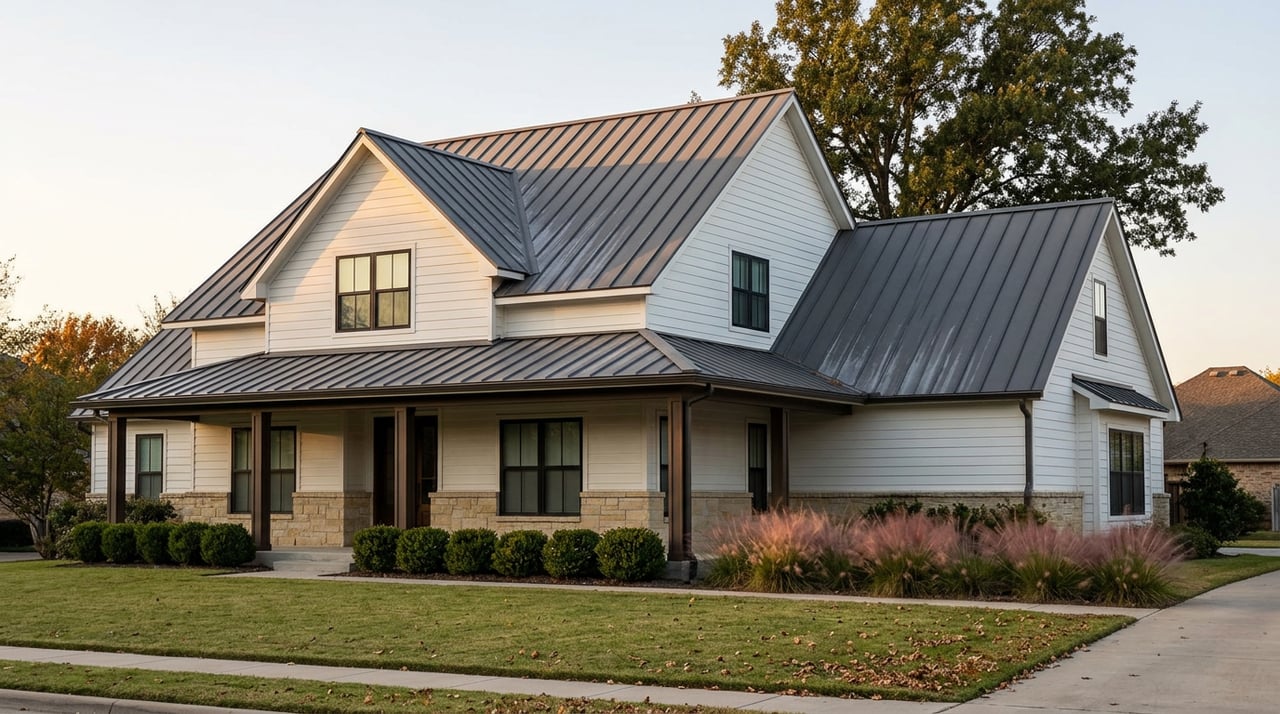
Now drive fifteen minutes west. Communities like The Ranch at Lost Creek and the Villas at Ashton Grove are large-lot new construction, and homes in that Northwest Norman corridor carried a median sale price of $359,000 over the trailing twelve months. That's not the same product, the same buyer, or the same market as a 1920s bungalow near Boyd Street.
Resideline's trailing six-month tracking through July 2026 shows the middle half of all closed sales in Norman falling between $210,000 and $394,899, a spread wide enough to hold both a historic home needing updates and a new build out west in the same window. When more of one type closes in a given month than the other, the blended median swings accordingly. That's not noise in the data. That's Norman's housing stock genuinely pulling in two directions at once, and it's the real reason the citywide figure refuses to sit still.
What the Ask-to-Close Gap Is Actually Telling You
The starkest number in the research isn't the median. It's the spread between what's currently asking and what recently closed. As of July 2026, the median asking price across Norman's active listings sat at $430,000, while the median closed price over the prior six months was $284,450. That's not a market cooling or overheating. It's a mismatch between what's currently for sale and what typically sells.
Active inventory skews toward newer, larger, pricier homes because those are the ones sitting longer and still listed when you check on any given day. Smaller, well-priced homes in the historic core and older east-side neighborhoods move fast enough that they rarely stay active long enough to inflate the "for sale" snapshot. The same market tracker showed just 42 active listings against 27 pending sales in July 2026, a pending-to-active ratio of about 0.64, with the median active listing sitting on the market only six days before going under contract. That's a market where the well-priced, well-located homes barely have time to make it into anyone's spreadsheet before they're gone. If you're only looking at what's currently listed, you're seeing a snapshot of active inventory, not the full market.
The West Side Is Building a Different Norman
The bifurcation isn't holding steady. It's widening, because Norman is actively building more of both ends.
On one end, the city is adding workforce and affordable housing. Crimson Flats, a project near East Imhoff Road and 24th Avenue Southeast, is set for completion by the end of 2026 with 40 one-bedroom, 11 two-bedroom, and 24 three-bedroom units. The Oklahoma Housing Finance Agency put more than $14 million into the project. KFOR reported that OHFA's Holly Mangham said:
"OHFA was able to infuse more than $14 million into this project to ensure that the residents of the City of Norman have an affordable, much-needed place to live."
On the other end, Northwest and West Norman keep adding higher-priced new construction for buyers seeking acreage and modern finishes rather than a hundred-year-old floor plan. Neither segment is going away, and neither is going to start reporting the same number as the other.
Why This Split Is Getting Wider, Not Narrower
Norman's growth pipeline is pulling attention toward both the campus core and the newer edges of the city at the same time. The University of Oklahoma has floated a stadium renovation reported at $450 million, and in late 2024 and early 2025, Norman city council and residents wrestled with a contested entertainment district near Rock Creek, which the council approved in a narrow 5-4 vote before opponents collected more than 10,000 certified signatures to force a public vote and challenged the outcome in Cleveland County court. Whatever the resolution, that level of investment interest around campus tends to keep pressure on the historic core's small housing stock, while builders keep answering demand on the west side with new subdivisions. Two pressure points, pulling the same city in opposite directions on price.
What This Means for Your Budget
If you're comparing Norman to other OKC-metro suburbs and you've only seen one median number, you've seen a blend of two markets that don't behave alike. A budget that feels tight measured against a $325,000 or $344,450 headline might actually buy you a well-located historic bungalow with character and an easy walk to Campus Corner. A budget that feels generous against a $265,000 average might not stretch far in Northwest Norman's new-build corridor, where $359,000 has been the going rate over the past year.
The number that should matter more to you than any citywide median is which side of that split your search actually belongs on. That's a conversation worth having before you fall in love with a listing photo, not after.
FAQ
Why do student rentals affect home prices in Norman's historic districts? Homes in the Chautauqua and Miller districts sit close enough to campus that they compete with rental demand from students, faculty, and staff. That competition shapes both pricing and how quickly smaller homes move, which is part of why closed prices in the historic core can look very different from the citywide average.
Is West Norman overpriced compared to the historic core, or is the historic core underpriced? Neither. They're different products for different buyers. A century-old bungalow on a small in-town lot and a new build on an acre in Northwest Norman aren't substitutes for each other, so comparing their prices directly doesn't tell you much.
Should I wait for Norman's market to cool before buying? The data doesn't point to one direction for "the market" because Norman doesn't have just one. The historic core has been moving fast, with active listings sitting a median of six days before going under contract as of July 2026. Newer construction on the west side has more room to negotiate. Timing depends on which Norman you're buying into.
If you're trying to figure out which side of Norman actually fits your budget and your list of must-haves, that's exactly the kind of question worth talking through before you start touring houses. AIM Real Estate knows both sides of this city, the century-old blocks near campus and the new construction going up on the west side, and can help you read past the headline number to the one that actually applies to you. Contact Us.